Disney Cruise Line: The Luxury Family Cruise Experience Decoded
Disney Cruise Line: The Luxury Family Cruise Experience Decoded
In the world of family cruises, Disney Cruise Line occupies singular territory. Neither the largest cruise line nor the most luxurious by traditional metrics, Disney has nonetheless positioned itself as the premium choice for families—commanding prices substantially above most competitors while maintaining occupancy rates that suggest genuine demand. Understanding what Disney delivers, how it compares to alternatives, and whether its premium pricing reflects genuine value, helps families make informed decisions about this significant travel investment.
The Disney cruise proposition extends beyond simply putting Mickey Mouse on a ship. The company has developed an integrated approach to family cruising that addresses specific parental concerns while delivering experiences genuinely unavailable elsewhere. Whether this approach aligns with your family's priorities—and whether the considerable cost represents worthwhile investment—depends on factors that deserve thorough examination.
The Disney Cruise Difference
Understanding what distinguishes Disney Cruise Line from alternatives requires examining multiple dimensions of the experience.
The Fleet and Hardware
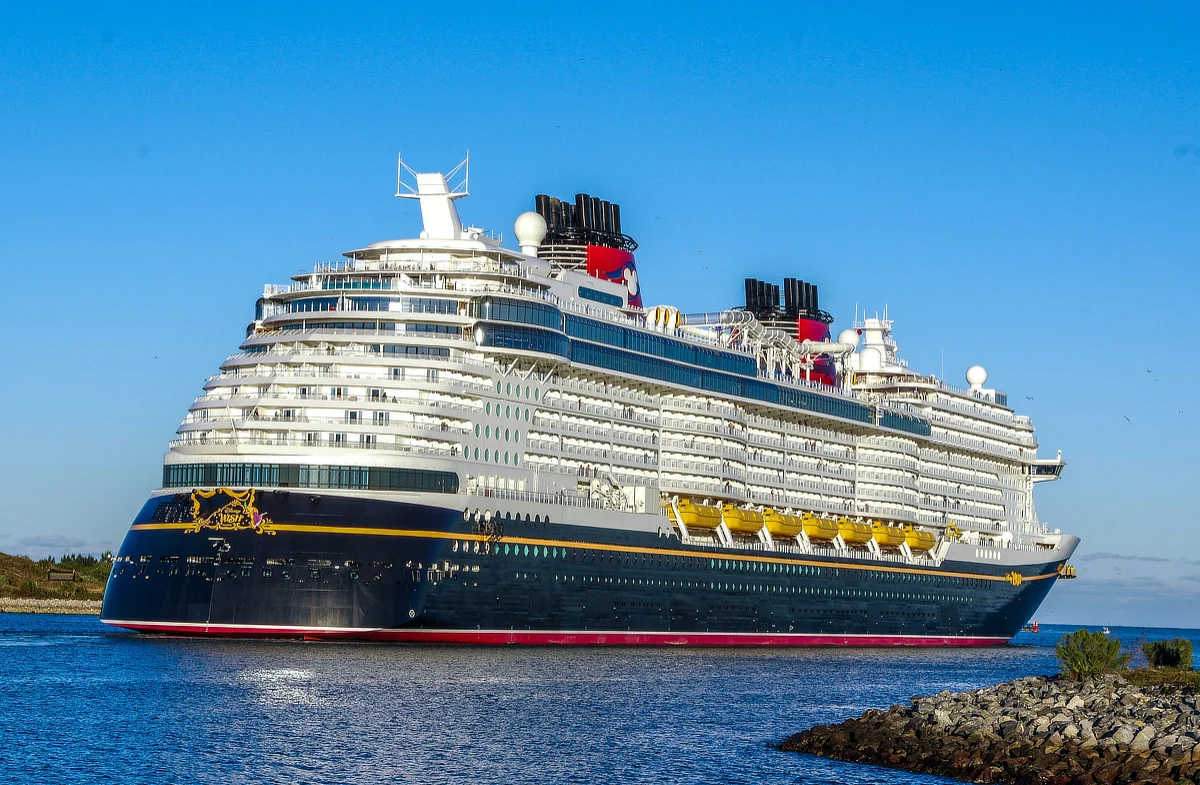
Disney operates a relatively small fleet compared to major cruise lines—currently seven ships with additional vessels planned. This constraint enables fleet-wide consistency and maintenance standards that larger operations struggle to achieve.
The ships themselves blend classic ocean liner aesthetics with modern amenities. Design choices throughout emphasize elegance rather than flash—rich wood tones, Art Deco influences, and attention to detail that rewards close observation. The visual environment feels notably different from the contemporary cruise ships' bright, busy aesthetics.
Stateroom design reflects family focus extensively. Standard rooms include thoughtful touches like divided bathrooms allowing multiple family members to get ready at once. Built-in storage optimized for family quantities of belongings, and configurations that accommodate families without requiring premium suite upgrades. The famous split-bath design—one half with toilet and sink, another with tub/shower and sink—exemplifies Disney's family-centric engineering.
Suite categories offer genuine luxury for families able to afford them. The Concierge level provides dedicated check-in, exclusive lounge access, and premium stateroom locations. Top suites include multiple bedrooms, generous living space, and in some cases private verandahs large enough for family gathering.
Youth Programming
Disney's youth clubs represent perhaps their strongest competitive advantage. The programming encompasses ages infant through seventeen, with age-appropriate segmentation and staffing levels that far exceed industry norms.
The youngest cruisers (under three) access "It's a Small World Nursery"—a supervised play space available by reservation for hourly fees. While not included in cruise fare, this service provides genuine infant and toddler care rather than mere supervision, with trained staff, nap facilities, and programming appropriate to this demanding age group.
The Oceaneer Club and Oceaneer Lab serve children roughly three through twelve, with programming varying by age groupings within this range. The facilities themselves—designed specifically for each ship—incorporate Disney themes and interactive technology. Staffing ratios ensure individual attention, and the quality of programming (not just supervision but genuine activities) distinguishes Disney from competitors' kids' clubs.
Edge (tweens) and Vibe (teens) serve older youth with age-appropriate spaces and programming. These clubs recognize that teenagers and pre-teens need different treatment than younger children. They offer supervised gathering space rather than structured programming, respecting older youth's desire for independence while providing a safe environment.
Notably, youth programming operates extended hours, including evenings until midnight or later on some nights. Parents can enjoy adult dining, entertainment, or simply quiet time knowing children are engaged in quality programming rather than merely warehoused.
Adult Experiences
Recognizing that parents are vacationers too, Disney has developed adult-exclusive spaces and experiences that provide genuine respite from family togetherness.
Each ship includes at least one adult-only dining venue—typically premium restaurants requiring reservations and sometimes upcharges. These spaces offer romantic or sophisticated dining environments impossible with children present. The culinary quality at venues like Remy (French) and Palo (Italian) approaches fine dining standards, with tasting menus, wine pairings, and service appropriate to the experience.
Adult pools, sundeck areas, and lounges provide quiet space during sea days. The Quiet Cove pool area is adults only, offering hot tubs, comfortable seating, and bar service without the splash zone atmosphere of family pools.
Spa facilities compare favorably with premium land-based spas, offering comprehensive treatment menus in serene environments. Fitness centers, running tracks, and sports facilities serve active adults.
Evening entertainment includes adult-exclusive options such as comedy shows, live music in sophisticated lounges, and wine-tasting events. These complement the family shows that dominate main theater programming.
Entertainment and Shows
Disney's entertainment background translates directly to shipboard production values that exceed cruise industry norms. The main stage shows,original productions featuring Disney characters and stories, demonstrate Broadway caliber production design, professional performers, and technical capabilities that smaller cruise lines cannot match.
Character experiences pervade the ships without overwhelming them. Meet-and-greet opportunities, character dining, and surprise appearances create the Disney immersion families seek. The execution of consistent costumes, trained performers and genuine engagement,maintains Disney's brand standards rather than feeling like costumed approximations.
First run Disney movies appear in shipboard theaters, often at the same time as traditional theaters. This exclusive access creates genuine excitement and family gathering occasions around shared viewing.
The integration of theme park sensibility with cruise vacationing creates unique hybrid entertainment. Deck parties, nighttime fireworks (Disney is the only cruise line with fireworks at sea), and themed events throughout voyages provide the energy and spectacle associated with Disney parks within the cruise framework.
Dining Programs
Disney's dining approach differs fundamentally from most cruise lines. The "rotational dining" system assigns families to a sequence of three main restaurants, moving together with their service team throughout the voyage. Your server and assistant server accompany your family through the rotation, learning preferences and building relationship.
This system creates genuine connection with service staff—they know your children's names, remember your preferences, anticipate your needs. The relational dining experience contrasts with anonymous large diningroom service on many cruise lines.
The main dining restaurants each offer distinct themes and menus while maintaining consistent quality. Premium dining options add variety for those seeking it, though the included dining fully satisfies many families.
Casual dining options such as buffets, quick service venues, poolside grills, and room service, provide flexibility around formal dining times. Quality varies predictably with formality, but even casual options exceed cruise industry averages.
Private Island Experiences
Most Disney cruises include a stop at Castaway Cay, Disney's private island in the Bahamas. The island experience exemplifies Disney's family cruise philosophy.
The island provides beach access without the challenges of crowded public beaches or commercial port environments. Family beaches offer calm water and extensive facilities; an adult-only beach provides quiet alternative. The island's programming includes water sports, nature trails, and organized activities alongside simple beach relaxation.
Quality distinguishes Castaway Cay from competitor private islands. Facilities are well-maintained, staff is abundant, and the Disney attention to detail is evident throughout. The experience feels integrated with the cruise rather than a generic beach stop.
Evaluating the Disney Premium
Disney Cruise Line costs significantly more than most alternatives often 50-100% above mass-market cruise lines for comparable stateroom categories and itineraries. Understanding what this premium purchases (and doesn't) helps assess value.
What the Premium Buys
Service quality throughout the Disney experience reflects the price premium. Staff ratios exceed industry norms; training emphasizes engagement rather than mere efficiency; and the cultural expectation of excellence pervades interactions from embarkation to disembarkation.
Youth programming quality and extent justify significant portion of the premium for families who use it. The hours of engaged, quality childcare included in cruise fare would cost hundreds of dollars on land. Families who fully utilize youth clubs extract substantial value; those whose children prefer staying with parents benefit less.
Entertainment production value derives from Disney's theme park and media expertise. The shows, character experiences, and technical capabilities represent genuine investment that cheaper cruise lines cannot replicate.
Maintenance and cleanliness standards reflect the smaller fleet and higher revenue per guest. Ships feel newer than their ages suggest because ongoing investment maintains them to high standards.
The intangible Disney atmosphere—the care in theming, the consistency of experience, the absence of the nickel and diming that frustrates many cruise guests, contributes to overall satisfaction in ways difficult to quantify but readily perceived.
What the Premium Doesn't Buy
Itinerary diversity remains limited. Disney's smaller fleet covers fewer destinations than major cruise lines. Families seeking exotic itineraries may find Disney options disappointing.
Luxury in the traditional sense: opulent suites, ultra premium dining, extraordinary spa experiences exists but doesn't exceed what other premium cruise lines offer at similar or lower prices. Families seeking ultimate luxury cruise experiences might find better value elsewhere.
Innovation in ship design and amenities trails competitors. Disney's newer ships incorporate more features, but families seeking waterslides, surf simulators, go-karts, or other modern cruise ship attractions will find more options on contemporary competitors.
Adult focus, despite Disney's efforts, remains secondary to family programming. Couples without children or those seeking primarily adult vacation experiences often find better fits on other premium lines.
Value Assessment Framework
Determining whether Disney represents good value for your family requires honest assessment of several factors.
Family composition matters significantly. Families with children in the sweet spot for youth programming (roughly four through twelve) extract maximum value from Disney's strength. Families with only teenagers or only toddlers benefit less from youth programming.
Vacation objectives influence value perception. If immersive family entertainment, character experiences, and Disney-specific content drive your cruise interest, no alternative delivers comparable value. If you seek primarily destination exploration, adventure activities, or adult-focused vacation, the Disney premium purchases less of what you want.
Usage patterns affect realized value. Families who utilize youth clubs extensively, attend shows, participate in ship activities, and engage with dining experiences fully extract Disney's value. Families who primarily want stateroom time, sun deck relaxation, and port exploration may find the premium features underutilized.
Comparing Disney to Alternatives
Contextualizing Disney within the broader family cruise market clarifies its positioning.
Premium Cruise Lines
Lines like Celebrity, Holland America, and Princess offer premium experiences at price points between mass-market and Disney. These options provide quality service, refined dining, and adult focused elegance, but youth programming and family integration trail Disney significantly.
For families with older teenagers or those where parents prioritize adult experience alongside adequate (rather than exceptional) kids' programming, these lines may offer better value. For families where children's experience matters most, Disney's advantages justify its higher prices.
Luxury Cruise Lines
Lines like Regent, Silversea, and Seabourn offer ultimate luxury cruise experiences but with limited family focus. Small ships, sophisticated atmosphere, and all-inclusive pricing serve affluent adult travelers primarily. Some accommodate children; few cater to them.
Families seeking ultra luxury experiences often find better fit in land-based luxury resorts or villa travel than attempting to adapt these cruise lines' offerings to family needs.
Other Family-Focused Options
Royal Caribbean and Norwegian have developed extensive family programming, including some ships with impressive youth facilities and entertainment. These options cost substantially less than Disney while providing competitive (though not equivalent) family experiences.
The trade-offs involve service consistency, theming and integration, and the intangible Disney polish. Families for whom these factors matter will likely find Disney worth the premium. Families prioritizing ship amenities, itinerary variety, or budget efficiency may prefer alternatives.
Luxury Cruise Vacations Beyond Disney
For families where cruise format appeals but Disney theming doesn't, several alternatives warrant consideration.
Expedition cruising offers family-friendly options through lines like Lindblad and Hurtigruten. These experiences combine adventure travel with cruise convenience, visiting destinations inaccessible to large ships. The educational components and small-ship intimacy suit families seeking learning-focused travel.
River cruising has developed family programs, particularly in Europe. Tauck Bridges and Adventures by Disney (Disney's land tour division, which also operates river cruises) offer family river cruise options with age-appropriate programming and family-suitable itineraries.
Small luxury ships from lines like Windstar and Ponant offer intimate experiences that may suit some families, though children's programming is limited.
Practical Disney Cruise Planning
For families deciding to pursue Disney Cruise Line, several planning considerations affect outcome.
Booking Strategy
Disney cruises sell out well in advance, particularly for popular sailings (holiday periods, summer, new ship launches). Booking early secures preferred stateroom categories and locations. For Concierge level or popular suite categories, six to twelve months lead time isn't excessive for peak sailings.
Conversely, last-minute discounts sometimes appear for sailings with remaining inventory. Families with flexibility and willingness to accept available staterooms can occasionally find value. This strategy works better for off-peak periods and less popular itineraries.
Stateroom Selection
Stateroom categories range from inside cabins (no windows) through ocean-view, verandah, and various suite categories. Price differences between categories are substantial—sometimes doubling between inside and standard verandah rooms.
For many families, verandah staterooms provide optimal value. The private outdoor space serves as additional room, allowing parents to relax outdoors while children sleep inside. The natural light and fresh air improve stateroom livability substantially over inside cabins.
Location on the ship matters for prone-to-seasickness family members (midship, lower decks minimize motion) and for convenience to frequently used venues (pools, dining, youth clubs).
Itinerary Considerations
Disney's itinerary options have expanded but remain more limited than large cruise lines. Caribbean cruises dominate, with Alaska, European, and other options available seasonally.
Cruise length ranges from short three-night sailings (good for first-timers or cruise-and-park combinations) through standard seven-night voyages to occasional longer itineraries. Seven-night cruises provide enough time to fully utilize ship amenities and settle into cruise rhythm without overstaying.
Port selection balances Disney-controlled experiences (Castaway Cay) with traditional cruise destinations. Evaluate port offerings based on your family's interests. Some ports suit family exploration while others offer less for children.
Onboard Planning
Once booked, several advance decisions maximize onboard experience.
Youth club registration can be completed online before sailing. Families intending to use youth programming extensively benefit from early registration, which familiarizes staff with children and smooths first-day check-in.
Dining reservations for premium restaurants, character dining experiences, and other special meals should be made early, some experiences book fully before sailing. Priority access for reservations follows Concierge level, platinum/gold membership levels, and then general guests.
Port excursion booking opens months before sailing. Popular excursions—particularly those with capacity limits—sell out quickly. Evaluate options against independent alternatives; Disney's excursions provide convenience and guaranteed ship return but cost premiums over independent exploration.
Activity and entertainment reservations vary by ship and sailing. Newer ships include bookable experiences requiring advance reservation. Review options as they become available to avoid missing priority activities.
Is Disney Cruise Right for Your Family?
The question isn't whether Disney Cruise Line delivers quality ,as it clearly does,but whether its specific value proposition aligns with your family's priorities and circumstances.
Disney cruising best serves families who seek immersive entertainment vacation combining structured family activities with genuine parental respite. The extensive youth programming, character experiences, production-value entertainment, and Disney integration create unique value for families who want these elements.
The experience less ideally serves families prioritizing destination exploration over ship experience, those seeking adventure or education-focused cruising, those without children in prime youth program ages, or those for whom Disney themeing feels commercial rather than magical.
Budget reality matters as well. Disney's premium positioning means that choosing Disney often means shorter voyage, smaller stateroom, or less frequent cruising than alternatives would allow. If choice is between a three-night Disney cruise and a seven-night premium cruise elsewhere, careful consideration of which delivers more family value seems warranted.
The extraordinary satisfaction ratings Disney Cruise Line achieves suggest that families who choose it largely find value commensurate with investment. But these satisfied guests self-select—families for whom Disney appeals less likely book elsewhere. Your family's fit with Disney's proposition, honestly assessed, should guide your decision.
Conclusion
Disney Cruise Line has crafted a distinct position in the family cruise market premium pricing matched with genuine quality, family integration unmatched in the industry, and Disney's unique entertainment capabilities deployed effectively at sea. For families who value these elements, Disney delivers experiences that justify its costs and often exceed expectations.
The decision to book Disney cruising should follow from understanding what the experience offers, how it compares to alternatives, and whether your family's priorities align with Disney's strengths. Not every family belongs on a Disney ship, but those who fit the profile often discover that the luxury family cruise experience they're seeking exists precisely here—in the integration of comfort and entertainment, structure and relaxation, children's engagement and parental respite that Disney has developed across decades of family hospitality excellence.
For many families, the Disney cruise experience represents the definitive luxury family cruise vacation. Not luxury in the traditional sense of opulence and exclusivity, but luxury in the sense of having everything work, of needs anticipated and met, of family vacation delivered without the friction that so often accompanies complex travel. This may prove the most valuable luxury of all.